
Discover your Science to Optimize your High
Cannabis, also known as weed, pot, ganja, or marijuana is a plant that contains cannabinoid compounds. The two main cannabinoids are tetrahydrocannabinol (THC) and cannabidiol (CBD). THC is responsible for the psychoactive effects of cannabis, while CBD does not produce the “high” associated with THC
Ways to promote your endocannabinoid system (ECS) without using cannabis
When cannabis is consumed, the cannabinoids bind to receptors in the body’s endocannabinoid system (ECS). The ECS is a system of receptors and chemicals that regulate a variety of functions, including appetite, mood, pain, and immune function. Endocannabinoids invoke behavioral responses for stress resilience
- Regular physical activity can increase the levels of endocannabinoids in the body.
- Eating a diet rich in omega-3 fatty acids, such as those found in fish and flaxseed, can support the endocannabinoid system
- Taking supplements such as magnesium and vitamin D can help support the endocannabinoid system.
- Practicing stress-reducing techniques such as meditation, yoga, and deep breathing can help support the endocannabinoid system.
- Getting enough sleep is important for the endocannabinoid system, as the body produces cannabinoids during sleep.
Living a High Lifestyle
Here are free ways to- Cold Showers have several benefits, including: (1)
- Increases circulation by causing blood vessels to constrict, which helps increase blood flow and improve circulation.
- Improves immune function by on increasing the number of white blood cells, which are responsible for fighting off infections and illnesses.
- Increases energy and alertness because cold water can act as a natural pick-me-up and can help to increase energy and alertness.
- Improves mood by releasing endorphins, which are chemicals in the brain that act as natural painkillers and mood elevators.
- Improves skin and hair by tightening pores and making hair appear shinier and healthier.
- Increases endurance for athletes: cold water immersion has been shown to reduce muscle soreness, inflammation, and improve recovery time.
Cold Showers may not be suitable for everyone.
- Heat exposure has several benefits, including: (2)
- Improves Circulation by increasing blood flow, which can help to improve circulation and deliver oxygen and nutrients to the body’s cells.
- Reduces muscle soreness and stiffness by relaxing tight muscles and increasing flexibility.
- Reduces pain and muscle spasms by increasing blood flow to the affected area.
- Improves sleep by relaxing the muscles and reducing tension.
- Reduces stress and promotes relaxation by increasing the release of endorphins.
- Increases sweating which can detoxify the body and remove impurities.
- Improves immunity by increasing the activity of white blood cells.
Heat exposure should be done with caution, as excessive heat exposure can cause dehydration or heat exhaustion.
- Reduces stress and anxiety by slowing down the heart rate and
promoting relaxation. - Improves mood by increasing the release of endorphins, the body’s
natural feel-good chemicals. - Increases energy by providing more oxygen to cells.
- Improves concentration and focus by calming the mind and reducing
mental chatter. - Improves sleep by promoting relaxation and reducing stress.
- Improves cardiovascular health by increasing oxygenation of the
blood and promoting relaxation. - Reduces symptoms of asthma, allergies, and other respiratory issues.
- Breath work can help reduce inflammation in the body.
- Improves lung capacity by increasing the volume of air that can be
inhaled and exhaled.
- Reduces stress and anxiety by slowing down the heart rate and
- Nasal Breathing has several benifits for both physical and mental health.
-
- Improves respiratory health by filtering and humidifying the air before it reaches the lungs, which can reduce the risk of infection and inflammation (6)
- Improves oxygenation of the body’s cells by providing more oxygen to the blood, especially during sleep. (7)
- Improves heart rate variability (HRV) ,the body’s ability to adapt to stress. (8)
- Reduces stress and anxiety by slowing down the heart rate and promoting relaxation.
- Improves immune function by increasing the activity of white blood cells.
- mproves mental focus by calming the mind and reducing mental chatter.
Some breathwork techniques may not be suitable for everyone.
- Reduces stress and anxiety by releasing endorphins, the body’s
natural feel-good chemicals. - Improves mood by increasing the production of serotonin, a neurotransmitter that regulates mood. This can help reduce symptoms of depression and anxiety.
- Increases self-esteem by improving body image and providing a sense
of accomplishment. - Improves sleep by promoting relaxation and reducing stress and
anxiety. - Reduces symptoms of depression, Parkinson’s Disease, and dementia by improving mood, increasing self-esteem, and reducing stress and anxiety.
- Improves cognitive function by increasing blood flow to the brain and
by promoting the growth of new neurons. - Regular exercise reduces the risk of developing dementia and
Alzheimer’s Disease. - Improves overall brain health by promoting the growth of new
neurons and by reducing inflammation in the brain.
- Reduces stress and anxiety by releasing endorphins, the body’s
Over training increases the risk of injury.
- Sunlight Exposure has several benefits for the body and mind, including:
- Produces Vitamin D which is essential for the absorption of calcium
and phosphorus, maintaining healthy bones and teeth, and boosts immunity. - Improves mood by increasing the production of serotonin, a
neurotransmitter that regulates mood. This can help reduce symptoms of depression and anxiety. - Improves sleep by regulating the body’s circadian rhythm, which is
the internal clock that controls sleep-wake cycles. - Adjusts energy and alertness by stimulating the production of
hormones such as cortisol and melatonin in response to light patterns. - Reduces symptoms of seasonal affective disorder (SAD), a type of
depression that is associated with a lack of sunlight during the winter months. - Improves skin health by increasing blood flow to the skin, and by
promoting the production of collagen, which helps to keep your skin looking youthful. - Reduces the risk of certain diseases, such as osteoporosis, multiple
sclerosis, and some types of cancers.
- Produces Vitamin D which is essential for the absorption of calcium
Too much sun exposure increases the risk of sunburn.
-
- Improves mood
- Maintains muscle density
- Increases energy and alertness
- Improves cognitive function
- Reduces symptoms of anxiety and depression
- Improves memory and concentration
- Reduces headaches and migraines
Drinking too much water can lead to hyponatremia (too little sodium levels in the blood). It is important to replenish your electrolytes daily.
- Sleep is essential for peak performance, during sleep (24)
- The body repairs and regenerates tissues , muscles, and bones. It also
helps to strengthen the immune system by producing cytokines to fight off infection. - Sleep helps to restore the brain, and improves cognitive function (22) such as memory consolidation (23) and learning. It also helps to clear out waste products from the brain, which can reduce the risk of developing neurodegenerative disorders.
- Emotional regulation is a crucial role of sleep, and lack of sleep can
lead to mood swings, irritability, and increased risk of depression and anxiety. - The body regulates hormones that control appetite and metabolism,
which can help to maintain a healthy weight. - Regulates blood pressure and reduces the risk of heart disease and
stroke. - Adequate sleep improves athletic performance.
- Reduces the risk of accidents by improving reaction time, alertness,
and decision-making. - Difficulty sleeping may be a sign of cannabis withdrawal (26)
- The body repairs and regenerates tissues , muscles, and bones. It also
Sleeping more than the recommended amount (7-9 hours) may disrupt circadian rhythms and cause opposite effects of sleep - fatigue and brain fog. Sleep is designed to be restorative. Allow yourself to be restored!
Physiology of Cannabis
The exact effects of cannabis on the body depend on the amount and type of cannabis consumed, as well as your unique physiology.
Brain metabolism
When cannabis enters the brain, it binds to cannabinoid receptors in the hippocampus, cerebellum, and basal ganglia. This binding activates the neurotransmitter dopamine, which causes changes in mood and cognition. THC also inhibits GABA, which increases neuronal activity. Unlike THC, CBD does not have psychoactive effects and shows anti-inflammatory, anti-anxiety, and anti-seizure effects.
Heart & Circulation
Cannabis may induce tachycardia, a fast heart rate, which may last for several hours after ingestion. THC can cause drops in blood pressure which could lead to lightheadedness or dizziness. Some studies suggest that cannabis may induce arrhythmias, abnormal heart beats. CBD may have protective effects on the heart and circulation by reducing inflammation, oxidative stress, and risk of blood clots.
Lungs & Breathing
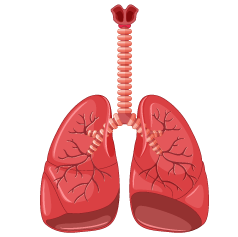
Smoking anything may increase shortness of breath and orthopnea (sleeping with more than 3 pillows). If this happens to you, nasal breathing techniques will help to reoxygenate your organs. Check out this clip from the podcast !
Liver metabolism
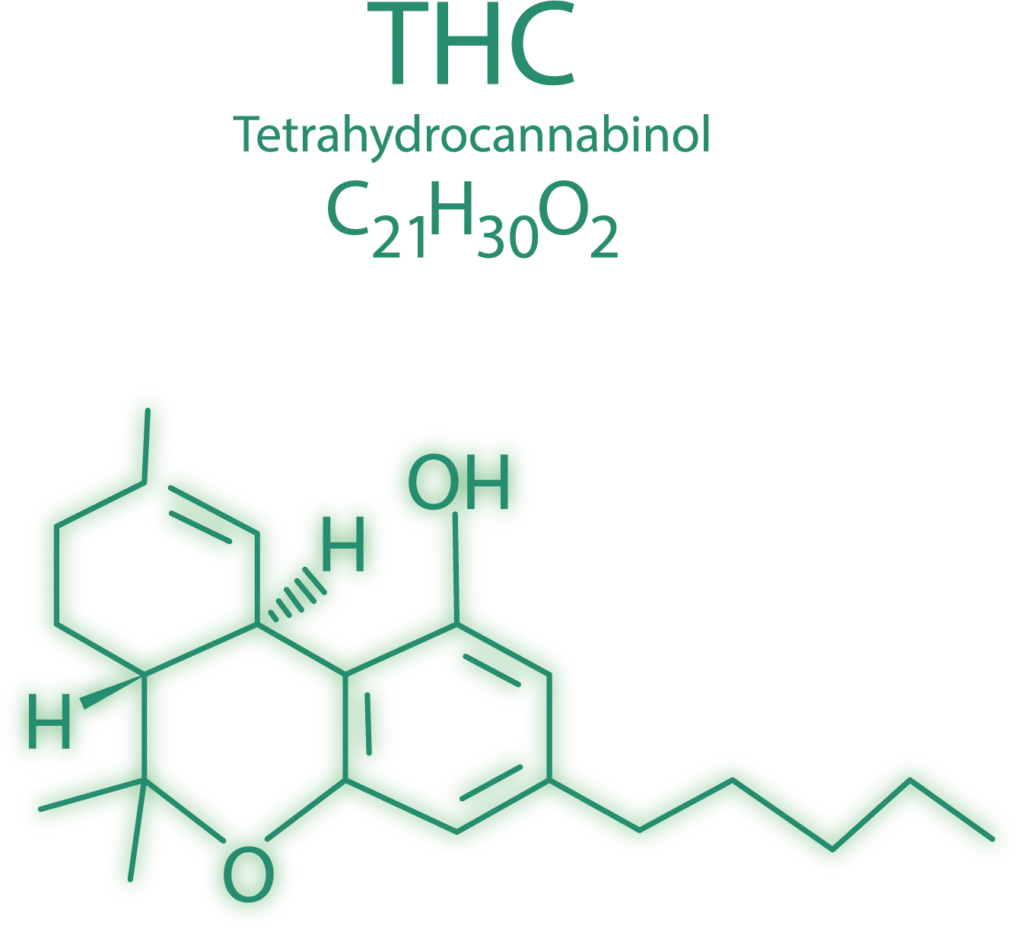
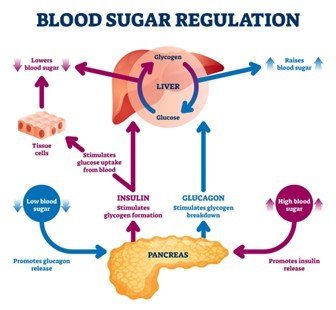
When cannabis is consumed, the cannabinoids, including THC and CBD, are metabolized by the liver and other organs in the body. The process of metabolism converts the cannabinoids into other compounds that can be more easily eliminated by the body.
In the liver, the primary metabolic pathway for cannabinoids is called cytochrome P450-mediated metabolism. This pathway involves the actions of enzymes that are responsible for breaking down and eliminating foreign substances including drugs and toxins from the body.
The CYP450 enzymes in the liver convert THC into 11-hydroxy-THC, which is more potent than the original THC and can cross the blood-brain barrier (BBB) more easily, leading to stronger psychoactive effects. Other metabolites of THC include 11-nor-9-carboxy-THC, which can be detected in urine for several days or weeks after consumption.
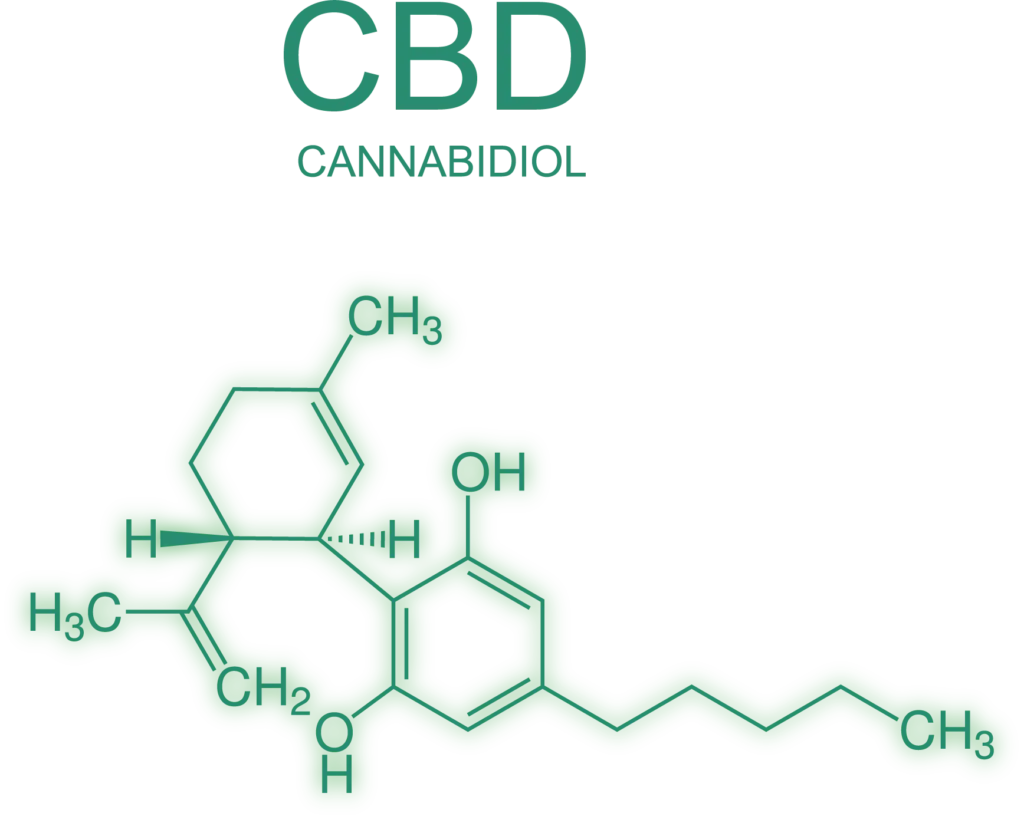
On the other hand, CBD is metabolized by several different CYP450 enzyme metabolites. The most common metabolite of CBD is 7-OH-CBD, which is produced by the enzyme CYP2C19 and is thought to have some therapeutic properties.
The time it takes for your body to metabolize cannabis varies by age, sex, weight, overall health, and amount of cannabis consumption. People who smoke or vaporize cannabis will have a faster onset of effects, but the effects will be shorter-lived, compared to those who ingest it.
Eyes
A common side effect of smoking weed is red eyes. When cannabis is inhaled, THC binds to cannabinoid receptors in the eye causing dilation of the conjunctiva (clear membrane that covers the sclera, white of the eye) which increases blood flow to the area and turns the red eyes.Protect your eyes from artificial light at night with RA optics !
Mouth
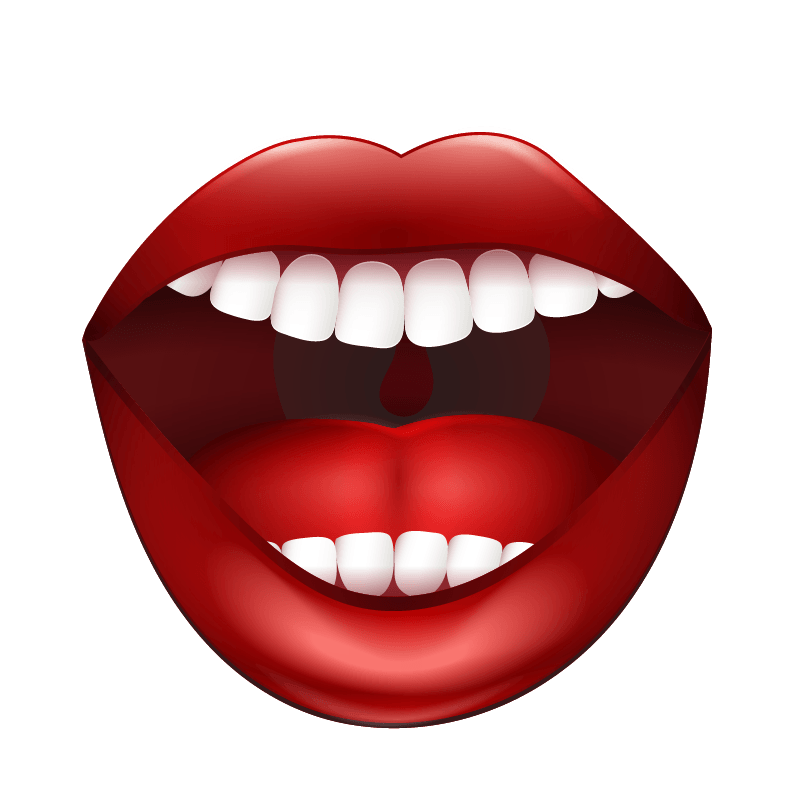
Inhaling cannabis causes dry mouth by decreasing saliva production. Ways to induce saliva production include chewing gum or dissolving salt on your tongue.
Digestion
THC is known to stimulate appetite, which is why it is used as an appetite stimulant for people with cancer or other conditions that cause a loss of appetite. This phenomenon is called the munchies. Cannabis can also cause abdominal pain, diarrhea, and constipation as a result of the munchies. Risk of inflammatory bowel diseases increases when munching on highly processed sugars. CBD may reduce gut inflammation, and pain and spasms. The best way to self-assess is to consider the food if your stomach hurts after eating.
Munchie Hacks
Cannabis contains fat-soluble molecules. Consuming fatty foods allows proper absorption of cannabis by the body.
Fat-Soluble Foods (contains Vitamin D,E,A,K )
- Avocados
- Nuts and seeds
- Olive oil
- Fish (salmon and tuna)
- Eggs
- Dairy products (butter and cheese)
- Fruits and vegetables (apricots, carrots, and sweet potatoes)
- Recipes
Psychedelics contain water soluble molecules. Consuming water soluble foods allows proper absorption of psychedelics by the body.
Water Soluble Foods (contains Vitamin B1-12, C, folic acid )
- Citrus fruits
- Berries
- Leafy green vegetables
- Whole grains
- Nuts and seeds
- Legumes
- Meat
- Fish
- Dairy
- Recipes
Nuroflex x KnowYourPhysio x Cannadelic
Cannadelics are a growing industry. Both scientists and governors are showing interest in the use of both cannabis and psychedelics for the people. Haters will say stoners are lazy, but more research will be published over time to provide us with further insight into cannadelics role in peak performance…this is what we know so far…Want to knowmorephysio? Follow us online @knowyourphysio and subscribe to our newsletter on the bottom of our home page .
Have any questions? Email ask@knowyourphysio.org !
See you on the other side !
Supplement Stack to Boost Your High
Stamet’s Stack : world renowned mycologist, Pault Stamet, discovered how to facilitate enhanced neurogenesis and cognition by combining a few synergistic ingredients.
- Lion’s Mane
- Grows and protects brain cells
- Compounds in Lion’s Mane have been shown to increase Nerve Growth Factor, which acts as a super-fertilizer for neurons, helping the brain grow new cells and make new connections amongst those cells.
- Rebuilds myelin to speed up connections between neurons
- Antidepressive & anxiolytic effects
- Improves symptoms in patients who took over 4 weeks.
- Grows and protects brain cells
- Niacin (Vitamin B3)
- Helps convert food into usable energy
- Increases blood flow to capillaries
- Carries GABA across blood-brain barrier (BBB)
- GABA decreases fear and anxiety
- Paul Stamet “niacin may enhance the neurogenic benefits” of psilocybin
- Enhance physiology, fitness, mental performance
- Neurogenesis stacks
- Nootropics stacks
- Bio-optimizers
- Nootopia
- Lion’s mane
- Probiotics from food
- Kava – lowers social anxiety
- Adaptogens
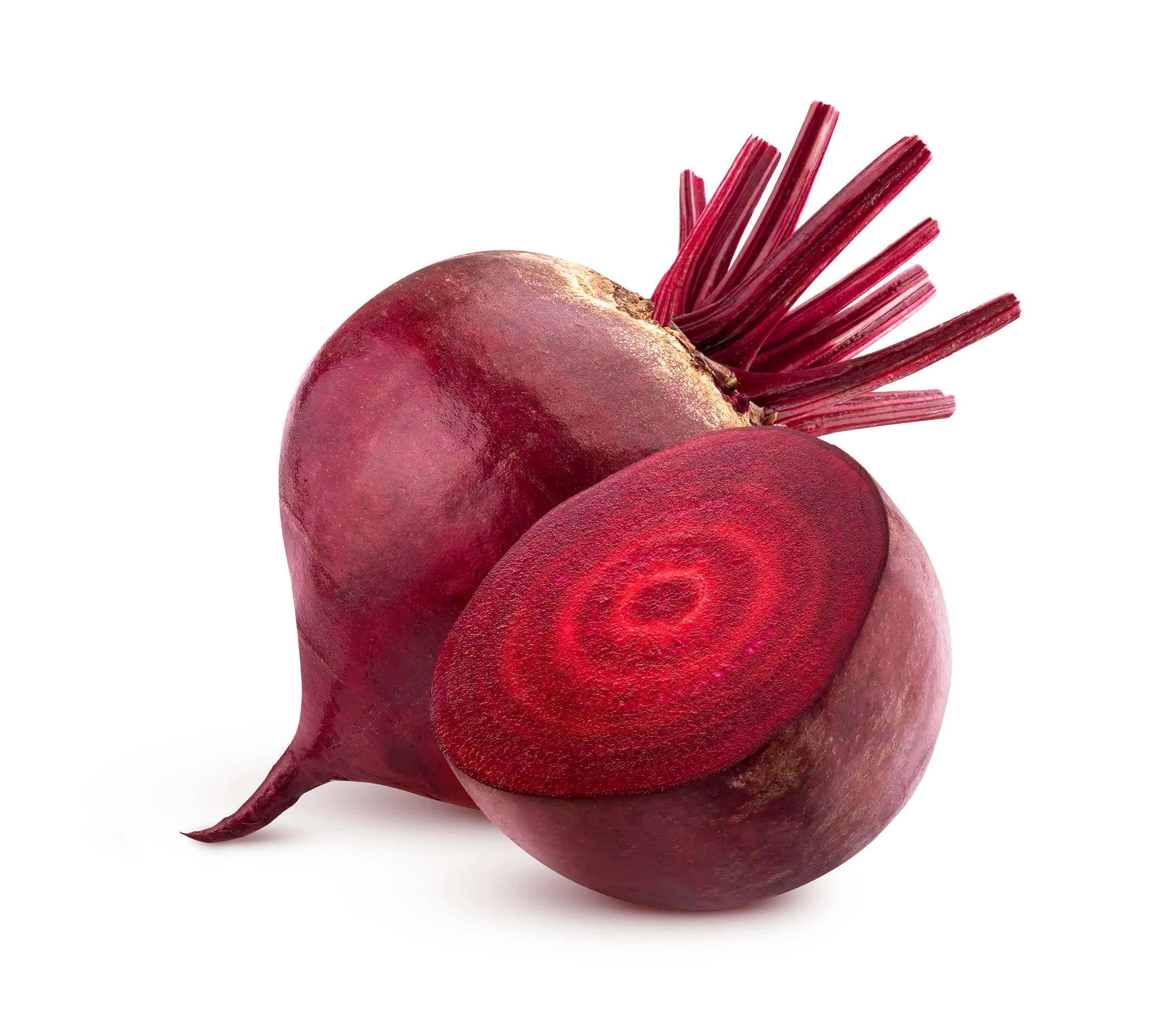
- Nitric Oxide for bloodflow – chocolate, beet, arugula
Supporting Evidence
- Esperland, D., de Weerd, L., & Mercer, J. B. (2022). Health effects of voluntary exposure to cold water – a continuing subject of debate. International journal of circumpolar health, 81(1), 2111789.
- Brunt, V. E., & Minson, C. T. (2021). Heat therapy: mechanistic underpinnings and applications to cardiovascular health. Journal of applied physiology (Bethesda, Md. : 1985), 130(6), 1684–1704.
- Brown, R. P., & Gerbarg, P. L. (2009). Yoga breathing, meditation, and longevity. Annals of the New York Academy of Sciences, 1172, 54–62.
- Mortola J. P. (2019). How to breathe? Respiratory mechanics and breathing pattern. Respiratory physiology & neurobiology, 261, 48–54.
- Maldonado, R., Cabañero, D., & Martín-García, E. (2020). The endocannabinoid system in modulating fear, anxiety, and stress . Dialogues in clinical neuroscience, 22(3), 229–239.
- Patel R. G. (2017). Nasal Anatomy and Function. Facial plastic surgery : FPS, 33(1), 3–8.
- Suzuki, M., & Tanuma, T. (2020). The effect of nasal and oral breathing on airway collapsibility in patients with obstructive sleep apnea: Computational fluid dynamics analyses. PloS one, 15(4), e0231262.
- Zaccaro, A., Piarulli, A., Laurino, M., Garbella, E., Menicucci, D., Neri, B., & Gemignani, A. (2018). How Breath-Control Can Change Your Life: A Systematic Review on Psycho-Physiological Correlates of Slow Breathing. Frontiers in human neuroscience, 12, 353.
- Galloza, J., Castillo, B., & Micheo, W. (2017). Benefits of Exercise in the Older Population. Physical medicine and rehabilitation clinics of North America, 28(4), 659–669.
- Ribeiro, M. M., Andrade, A., & Nunes, I. (2021). Physical exercise in pregnancy: benefits, risks and prescription. Journal of perinatal medicine, 50(1), 4–17. https://doi.org/10.1515/jpm-2021-0315
- Cattadori, G., Segurini, C., Picozzi, A., Padeletti, L., & Anzà, C. (2018). Exercise and heart failure: an update. ESC heart failure, 5(2), 222–232. https://doi.org/10.1002/ehf2.12225
- Northey, J. M., Cherbuin, N., Pumpa, K. L., Smee, D. J., & Rattray, B. (2018). Exercise interventions for cognitive function in adults older than 50: a systematic review with meta-analysis. British journal of sports medicine, 52(3), 154–160. https://doi.org/10.1136/bjsports-2016-096587
- Schootemeijer, S., van der Kolk, N. M., Bloem, B. R., & de Vries, N. M. (2020). Current Perspectives on Aerobic Exercise in People with Parkinson’s Disease. Neurotherapeutics : the journal of the American Society for Experimental NeuroTherapeutics, 17(4), 1418–1433. https://doi.org/10.1007/s13311-020-00904-8
- Keating, S. E., George, J., & Johnson, N. A. (2015). The benefits of exercise for patients with non-alcoholic fatty liver disease. Expert review of gastroenterology & hepatology, 9(10), 1247–1250. https://doi.org/10.1586/17474124.2015.1075392
- Daenen, L., Varkey, E., Kellmann, M., & Nijs, J. (2015). Exercise, not to exercise, or how to exercise in patients with chronic pain? Applying science to practice. The Clinical journal of pain, 31(2), 108–114. https://doi.org/10.1097/AJP.0000000000000099
- Smith, P. J., & Merwin, R. M. (2021). The Role of Exercise in Management of Mental Health Disorders: An Integrative Review. Annual review of medicine, 72, 45–62.
- Stembridge, M., Ainslie, P. N., & West, J. B. (2022). Elevating physiology: Griffith Pugh on the limits of human performance and survival. The Journal of physiology, 600(8), 1811–1813.
- Decher, N. R., Casa, D. J., Yeargin, S. W., Ganio, M. S., Levreault, M. L., Dann, C. L., James, C. T., McCaffrey, M. A., Oconnor, C. B., & Brown, S. W. (2008). Hydration status, knowledge, and behavior in youths at summer sports camps. International journal of sports physiology and performance, 3(3), 262–278. https://doi.org/10.1123/ijspp.3.3.262
- Kučerka, N., Gallová, J., & Uhríková, D. (2019). The membrane structure and function affected by water. Chemistry and physics of lipids, 221, 140–144. https://doi.org/10.1016/j.chemphyslip.2019.04.002
- Shiose, K., Takahashi, H., & Yamada, Y. (2022). Muscle Glycogen Assessment and Relationship with Body Hydration Status: A Narrative Review. Nutrients, 15(1), 155. https://doi.org/10.3390/nu15010155
- Lorenzo, I., Serra-Prat, M., & Yébenes, J. C. (2019). The Role of Water Homeostasis in Muscle Function and Frailty: A Review. Nutrients, 11(8), 1857.
- Mason, G. M., Lokhandwala, S., Riggins, T., & Spencer, R. M. C. (2021). Sleep and human cognitive development. Sleep medicine reviews, 57, 101472.
- Rasch, B., & Born, J. (2013). About sleep’s role in memory. Physiological reviews, 93(2), 681–766.
- Murillo-Rodriguez, E., Arias-Carrion, O., Zavala-Garcia, A., Sarro-Ramirez, A., Huitron-Resendiz, S., & Arankowsky-Sandoval, G. (2012). Basic sleep mechanisms: an integrative review. Central nervous system agents in medicinal chemistry, 12(1), 38–54.
- Grandner, M. A., & Fernandez, F. X. (2021). The translational neuroscience of sleep: A contextual framework. Science (New York, N.Y.), 374(6567), 568–573.
- Schierenbeck, T., Riemann, D., Berger, M., & Hornyak, M. (2008). Effect of illicit recreational drugs upon sleep: cocaine, ecstasy and marijuana. Sleep medicine reviews, 12(5), 381–389.